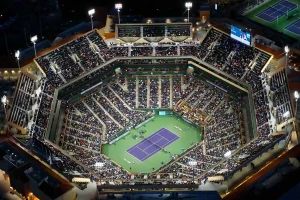
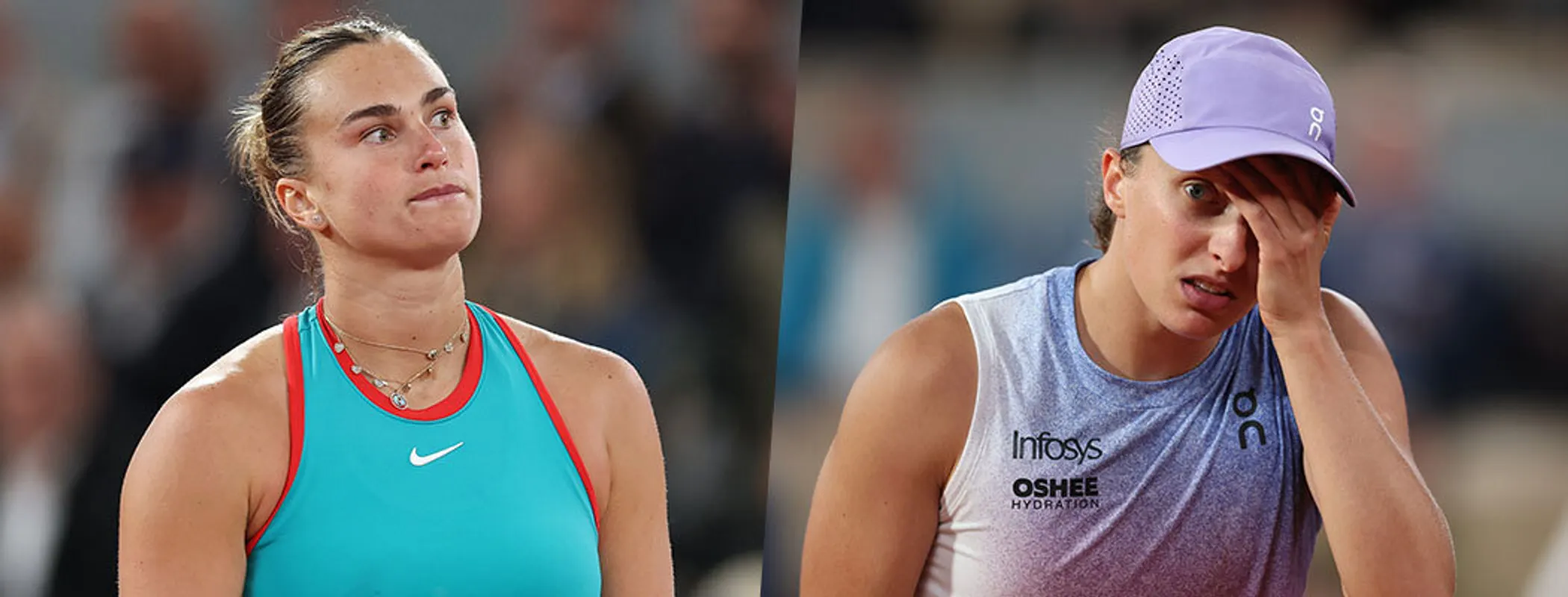
The 2026 Dubai Duty Free Tennis Championships were expected to showcase the world’s two highest-ranked players — Aryna Sabalenka (World No.1) and Iga Swiatek (World No.2). Instead, both withdrew shortly before the tournament began, triggering sharp criticism from tournament director Salah Tahlak, who publicly called for stricter sanctions.
Why has this become such a major issue in women’s tennis — and what are the actual rules governing mandatory WTA 1000 events?
Why Were Sabalenka and Swiatek Expected to Play in Dubai?
The explanation lies in the WTA’s tournament structure.
Dubai is a WTA 1000 mandatory event. Under WTA regulations:
- All eligible players based on ranking are automatically entered.
- Healthy players are required to compete.
- Mandatory events ensure top participation to protect tournament prestige and commercial value.
Unlike ATP events, where appearance fees often influence participation, the WTA structure works differently. Dubai pays a premium licensing fee for WTA 1000 status. In exchange, the WTA guarantees elite player participation through ranking obligations rather than direct appearance bonuses.
For comparison: the ATP 500 event in Doha reportedly paid substantial appearance fees to attract top men’s players this week. Dubai’s WTA event relies instead on regulatory enforcement.
That difference matters.
Why Did Sabalenka and Swiatek Withdraw?
The official reasons:
- Aryna Sabalenka – right thigh injury.
- Iga Swiatek – “schedule adjustment.”
However, director Salah Tahlak publicly questioned both explanations:
“The reasons seemed strange. Iga said she was not mentally ready to compete, and Sabalenka mentioned a minor injury.”
He reportedly consulted the tournament physician, who described Sabalenka’s issue as not severe enough to necessarily justify withdrawal. Regarding Swiatek, he questioned whether citing scheduling concerns was appropriate for a mandatory event.
This is where the controversy escalated.
How Do Mandatory Tournament Rules Work in the WTA?
Understanding the ranking system is crucial.
WTA rankings count results from 18 tournaments, including:
- 4 Grand Slams
- 6 combined WTA 1000 events (Indian Wells, Miami, Madrid, Rome, Canada, Cincinnati, Beijing)
- 1 standalone WTA 1000 event (Dubai, Doha, or Wuhan — depending on calendar rotation)
- 7 best results from other WTA 1000, 500, or 250 events
Dubai falls into the mandatory category. Missing it can trigger penalties depending on the reason.
Possible Sanctions
- No valid reason
- Zero ranking points
- Financial fine
- Schedule change (allowed only three times per season)
- Zero ranking points
- No fine
- Verified injury (confirmed by tournament doctor)
- No ranking penalty
- No fine
This means that context matters significantly. The WTA must determine whether the withdrawals fall under medical exemption or voluntary scheduling.
What Is the Dubai Tournament Director Demanding?
Salah Tahlak believes financial fines are ineffective.
He referenced a past example involving Serena Williams:
“A fine does nothing. What is $100,000? A player can earn a million elsewhere.”
Instead, he proposes a much harsher solution:
- Deduct 500 to 1,000 ranking points for late withdrawals from mandatory events.
Such a sanction would dramatically impact the world rankings — particularly for players competing for No.1 positioning.
The issue is expected to be raised at an upcoming WTA meeting in Rome, where tournament representatives will discuss enforcement standards.
The Broader Debate: Are There Too Many Mandatory Events?
This controversy highlights a growing tension within professional tennis.
Players have increasingly expressed concerns about:
- Calendar congestion
- Physical strain
- Limited recovery time
- Mental health management
With four Grand Slams and multiple mandatory WTA 1000 events, top players face intense scheduling pressure. Skipping events can protect health — but doing so may conflict with tournament business interests.
Dubai invests heavily in facilities, prize money, and global broadcasting. From an organizer’s perspective, late withdrawals of the top two stars represent significant commercial damage.
From a player’s perspective, long-term career management takes priority.
Could Ranking Points Really Be Taken Away?
In practice, extreme sanctions like 1,000-point deductions would be unprecedented. The WTA typically applies:
- Zero-point placeholders
- Fines
- Limits on future scheduling exemptions
A major retroactive ranking deduction would likely face resistance from the WTA Player Council and legal review.
Therefore, while the director’s demand is strong rhetorically, implementation would be complex.
What Happens Next?
Several outcomes are possible:
- The WTA confirms medical exemption → No further action.
- The withdrawal is treated as a schedule change → Zero points for Dubai.
- The issue triggers policy reform discussions at WTA level.
This situation could shape how mandatory events are regulated going forward — particularly regarding late withdrawals by top-ranked players.
Final Thoughts
The Dubai controversy is not just about Sabalenka and Swiatek. It reflects a structural tension in modern tennis between:
- Tournament commercial obligations
- Player workload and health
- Ranking system integrity
- Enforcement consistency
Whether the WTA tightens rules or maintains the status quo will signal how the tour balances business and athlete welfare in 2026 and beyond.
For more updates on WTA 1000 events, Grand Slam scheduling, and ranking implications, visit our tournament coverage section.